
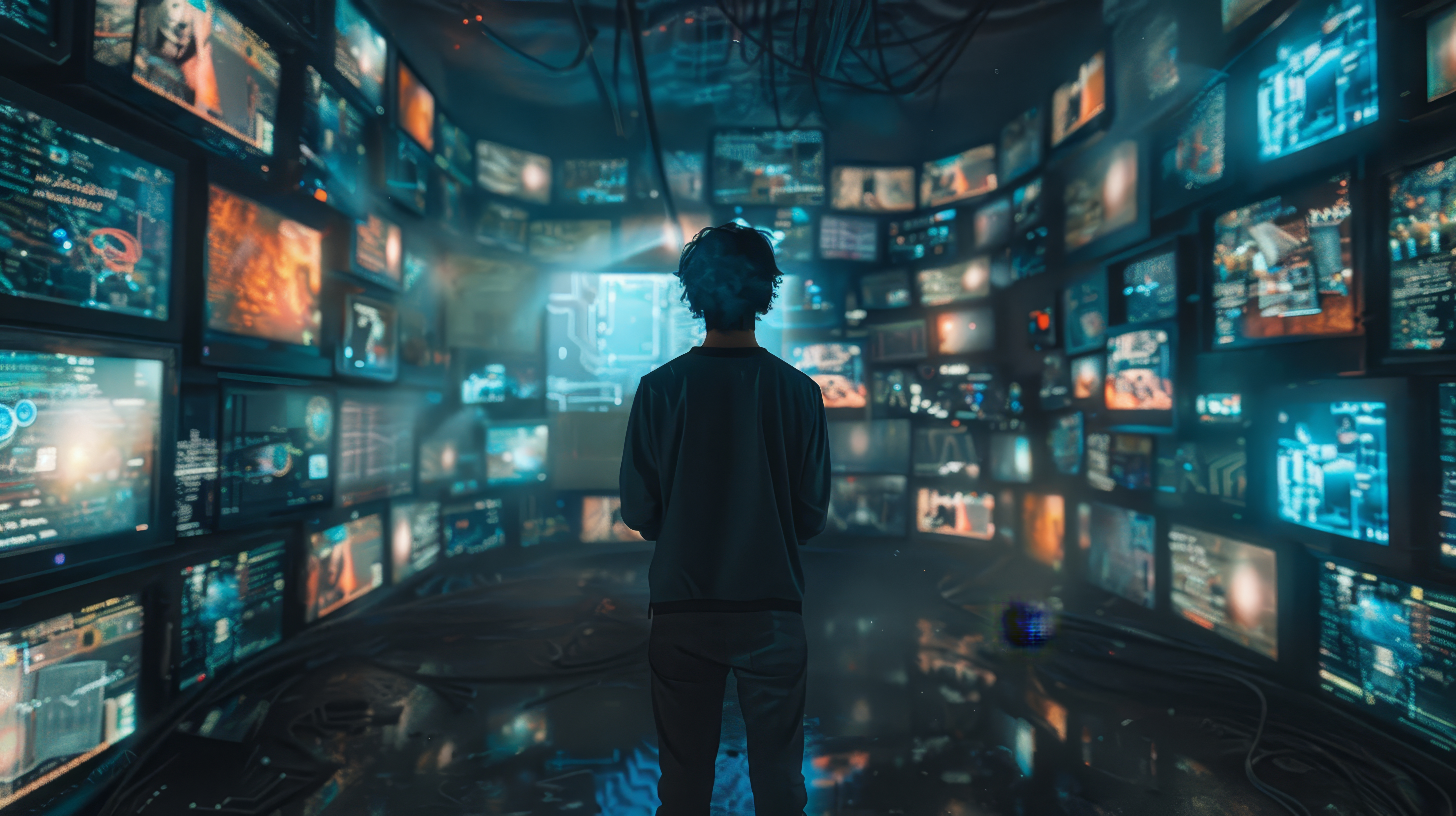
In the electrifying world of cinematic releases, where a blockbuster's success can be determined in its opening weekend, a film's marketing strategy is as critical as its script. The competition for audience attention is fierce, a dazzling digital deluge where traditional posters and static billboards often fade into the background noise. This is where cutting-edge technology must step in to transform exposure into experience, and no tool is proving more dynamic and impactful than LED screen advertising. For a digital film marketing company, mastering this medium is not just an advantage—it is the very essence of modern, high-impact promotion.
The digital revolution has fundamentally altered the landscape of Out-of-Home (OOH) advertising. Gone are the days of costly, time-consuming print campaigns that offer zero flexibility once deployed? In their place stands the radiant, ultra-high-definition presence of LED screen advertising. These displays, whether as massive digital billboards commanding urban skylines or intricate video walls inside bustling transit hubs, offer unparalleled visibility and dynamic content capabilities that are a perfect match for the spectacle of the film industry. Their core strength lies in their ability to deliver a cinematic-quality experience outside the cinema, building anticipation and buzz long before the opening credits roll.
The Unmatched Power of Visibility and Dynamic Content
The first, and perhaps most obvious, advantage of LED screen advertising is its sheer visual power. These screens boast superior brightness and contrast ratios, ensuring that a film's key art, trailer snippets, and bold promotional messages cut through the visual clutter of a busy cityscape, even in direct sunlight. Unlike traditional OOH, the content on an LED screen is alive. It moves, it shines, and it commands attention.
For a film campaign, this translates into a marketing canvas without limitation. Imagine a short, punchy trailer for a sci-fi epic, complete with sound effects (where permitted), or a high-resolution, animated character reveal that transitions seamlessly into a release date countdown. The ability to display full-motion video instantly elevates the promotion from an ad to an immersive teaser. This dynamic capability is a marketer's dream, allowing for the creation of multiple, distinct advertisements that rotate throughout the day, ensuring the message stays fresh and maximizes viewer engagement. This constant dynamism guarantees that the message is not just seen, but felt, generating the emotional connection that drives ticket sales.
Hyper-Targeting and Real-Time Flexibility
In the digital age, a "one-size-fits-all" campaign is inefficient. The true genius of LED screen advertising lies in its integration with digital content management systems, enabling hyper-local and time-specific targeting—a capability that static advertising simply cannot match. A film’s marketing team can segment their audience not just by location, but by time of day, day of the week, and even hyper-local events.
Consider a horror film. Its promotional content can be scheduled to run with greater frequency and a more intense visual style during late evening hours when the primary target demographic is out and about. Conversely, a family animated feature can dominate the screen time near schools or family-friendly venues during afternoon rush hour. Furthermore, the content can be updated in real-time. If a film wins a major award or a new, last-minute review is stellar, that compelling headline can be pushed live across every strategically-placed LED screen advertising unit within minutes, maximizing the impact of breaking news. This real-time agility ensures that the film's campaign is constantly responsive to the market, optimizing its message for peak relevance and impact.
Cost-Effectiveness and Measurable ROI
While the initial investment in a high-quality LED screen advertising network may seem substantial, the long-term economic argument is overwhelmingly in its favor. By eliminating the ongoing costs associated with printing, delivery, and installation of physical vinyl or paper posters, an LED campaign offers a dramatically reduced operational expense over its lifecycle. The content is created digitally and distributed electronically, leading to a much higher return on investment (ROI) compared to traditional OOH.
Crucially for a data-driven film marketing company, digital screens allow for performance measurement that was previously impossible in the OOH space. While directly linking a screen impression to an online ticket purchase remains a challenge, modern LED screen advertising solutions are increasingly integrated with audience measurement technologies. These can include:
- Dwell Time Analysis: Software can estimate how long passersby look at the content.
- Mobile Data Integration: Anonymized data from mobile devices in the vicinity can provide demographic and behavioral insights into the audience seeing the ad.
These metrics provide valuable, quantifiable data on impressions and engagement, allowing marketers to demonstrate the tangible value of their LED screen advertising placements and continuously optimize their media buying for future campaigns.
The Future is Immersive: Interactivity and Immersive Experiences
Looking ahead, the role of LED screen advertising in film marketing is poised to become even more spectacular. The technology is rapidly advancing to incorporate interactive elements that blur the lines between advertising and entertainment. Imagine an ultra-large format LED screen that displays an augmented reality (AR) portal to the film’s universe, allowing passersby to stand on a marked spot and see themselves interact with a film’s character on screen.
Furthermore, the rise of specialized installations, such as 3D-effect anamorphic billboards—which use perspective to create stunning, hyper-realistic 3D illusions—represents the pinnacle of LED screen advertising for film. These activations are not just ads; they are viral moments and genuine spectacles, generating significant earned media across social platforms and transforming a routine commute into an unmissable cinematic experience. For a film, this kind of buzz is priceless, as it leverages the inherent desire of modern audiences to capture and share extraordinary visual content.
In conclusion, the partnership between digital film marketing and LED screen advertising is a formidable force. It marries the dazzling, spectacle-driven nature of cinema with the precision, flexibility, and measurable results of digital technology. It’s a move from static representation to dynamic, real-time engagement. For any film marketing company aiming to ensure their client’s movie stands out in a crowded marketplace, the powerful, flexible, and visually dominant capabilities of LED screen advertising are no longer an optional luxury—they are the essential, glowing centerpiece of a successful, modern campaign. By prioritizing this high-impact medium, we not only advertise the film, but we start the show, transforming city streets and transit areas into the world’s most exciting, pre-show lobby.